Last Updated Feb 05, 2026
How Appointment Scheduling Software Reduces No-Shows by 30% or More

You blocked off two hours for a consultation. The client confirmed last week. You prepped your materials, maybe turned down other work to make room. And then… nothing. No call. No text. No-show.
If you’ve run an appointment-based business for more than a few months, you know this feeling. It’s not just annoying—it’s expensive. And it happens way more often than most business owners realize until they start tracking it.
The good news? This is one of those problems where the right technology makes a dramatic difference. Businesses that implement proper scheduling software with automated reminders consistently see no-show rates drop by 30-50%. Some do even better.
But not all approaches work equally well. After looking at the research—including randomized controlled trials, industry surveys, and documented case studies—there’s a clear picture of what actually moves the needle versus what sounds good but doesn’t deliver.
The real cost of empty appointment slots
Let’s start with the uncomfortable math.
The average no-show rate across service businesses sits between 10-19%, though it varies significantly by industry.[1] Healthcare runs higher, with outpatient appointments hitting 23-33% in some specialties.[2] Salons and spas average 15-30%.[3] Auto repair shops see 15-20%.[4] Even professional services like legal consultations experience 10-15% no-shows for initial meetings.[5]
Those percentages translate to real money. A business running 300 appointments per month at $120 average revenue with a 10% no-show rate loses roughly $43,200 annually.[6] That’s not a rounding error—that’s a salary, or a significant equipment upgrade, or the marketing budget that could bring in another hundred clients.
Healthcare has studied this problem extensively because the stakes are so high. The U.S. healthcare system loses an estimated $150 billion annually to missed appointments.[7] A typical medical practice reports losing $2,500 to $7,500 every month.[2] Dental practices lose 45-60 minutes of chair time per no-show, adding up to over $105,000 in annual losses for an average practice.[8]
For home services businesses—plumbers, HVAC techs, electricians—each missed service call represents $275-450 in lost revenue, plus the wasted drive time and the opportunity cost of the job you could have scheduled instead.
But here’s what really stings: the compounding effect. Research shows that patients who miss even one appointment are 70% more likely not to return within 18 months.[2] That’s not just one lost appointment—it’s potentially thousands in lifetime customer value walking out the door.
Why people don’t show up (it’s simpler than you think)
Before we get into solutions, it helps to understand the problem. Why do people miss appointments they scheduled themselves?
The research points to a surprisingly mundane answer: 35.5% of no-shows happen because people simply forget.[9]
Not because they changed their mind. Not because they found a competitor. Not because something dramatic happened. They just… forgot. Life got busy, the appointment slipped their mind, and by the time they remembered, it was too late or too embarrassing to call.
This is actually encouraging news. Forgetting is a solvable problem. You don’t need to change human nature or compete harder on price—you just need to make sure people remember.
Other common reasons include scheduling conflicts that arose after booking, transportation issues, and unclear expectations about the appointment. All of these can be addressed with better communication before the appointment date.
What the research says actually works
There’s no shortage of advice about reducing no-shows. But not all of it holds up when you look at the data. Here’s what’s been proven to work, ranked roughly by impact.
Text message reminders cut no-shows by 38-50%
If you implement nothing else, implement text reminders. The research here is overwhelming.
A systematic review of 28 studies published in the Journal of Medical Internet Research found SMS reminders achieved significantly higher attendance rates compared to no reminder, with a pooled odds ratio of 1.62.[10] Another systematic review of 19 studies in the Pan-African Medical Journal documented a 41% average reduction in missed appointments when text reminders were used.[11]
Why texts? The open rate tells the story: 98% of text messages get read, compared to 20-30% for emails.[12] And 90% of texts are read within three minutes of delivery. Your reminder actually reaches the person, which seems obvious but matters enormously.
Compare this to phone calls, where the data gets more complicated. Live phone reminders are effective—one study in Psychiatric Services showed a 3% no-show rate when someone actually answered. But voicemail? That jumped to 24% no-shows. And when calls went completely unanswered, the rate hit 39%.[13]
Unless you have staff dedicated to making calls and reaching people live, texts deliver better results for far less effort.
Multiple reminders beat single reminders
One text is good. Two or three is better.
Kaiser Permanente ran a randomized controlled trial with over 54,000 patients testing different reminder strategies. The results: sending reminders at both 3 days and 1 day before the appointment achieved a 4.4% no-show rate. Sending only a 3-day reminder hit 5.8%. Only a 1-day reminder came in at 5.3%.[14]
The difference between 4.4% and 5.8% might seem small, but across thousands of appointments, it’s substantial revenue.
A separate Kaiser Permanente study of 125,000+ visits found that adding a text reminder reduced no-shows by 7% in primary care and 11% in mental health settings.[15]
The optimal sequence that emerges from the research:
- Immediate: Booking confirmation (email works fine here)
- 48-72 hours before: Primary reminder via text, ideally requesting confirmation
- 24 hours before: Secondary reminder via text or email
- 2-3 hours before: Final reminder via text
One interesting finding from Cleveland Clinic research: texts sent at 6 PM achieved 41.4% higher confirmation rates than those sent at noon.[16] People are more likely to engage with appointment reminders in the evening when they’re not in the middle of their workday.
Two-way beats one-way (and it’s not close)
Here’s where many businesses leave significant improvement on the table.
A one-way reminder says: “Don’t forget your appointment tomorrow at 2 PM.”
A two-way reminder says: “Your appointment is tomorrow at 2 PM. Reply C to confirm, R to reschedule, or X to cancel.”

The difference in outcomes is dramatic. Two-way confirmation systems generate 51% more appointment confirmations than passive reminders.[16] They achieve 75-85% confirmation rates and reduce no-shows by an additional 30-50% compared to one-way reminders.[17]
Why does asking for a response matter so much? Psychology. When someone actively confirms an appointment, they’ve made a small commitment. They’re mentally preparing for it. And if they need to cancel or reschedule, you find out early enough to fill the slot—rather than discovering an empty chair when the appointment time arrives.
Research from three randomized controlled trials showed that clinics using confirmation systems could reallocate 27-40% of cancelled slots.[10] That’s revenue recovered rather than lost.
The speed of response is remarkable, too. Patients respond to text confirmations in an average of 90 seconds.[16] Compare that to the phone tag involved in trying to reach someone about a scheduling change.
Online self-scheduling changes behavior
There’s something interesting that happens when people book their own appointments online versus having someone else schedule for them.
A 2025 study published in Frontiers in Digital Health examining German ophthalmology practices found that online-booked appointments had just a 1.8% no-show rate compared to 5.9% for phone-booked appointments—a 68% reduction.[18]

Why such a dramatic difference? Several factors likely contribute:
Active choice: When you pick a time slot yourself, you’re more invested in keeping it. You checked your calendar. You weighed your options. It’s your decision, not something assigned to you.
Convenience selection: Online bookers can choose times that genuinely work for them, rather than accepting whatever slot the receptionist offers. The appointment scheduling software market is growing at 12.54% annually,[19] partly because 67% of patients prefer online booking to phone calls.[20]
Lower friction for changes: When rescheduling is easy—just a few clicks rather than a phone call during business hours—people reschedule instead of no-showing. This converts a total loss into a shifted appointment.
Demographic access: 40% of online bookings happen after business hours.[21] These are people who might not have called during the day but are engaged enough to book at 10 PM. That engagement translates to showing up.
The data consistently shows that making it easier to schedule and reschedule leads to better attendance, not worse. Businesses that offer 24/7 online booking see higher booking rates and lower no-show rates.[22]
Deposits and card-on-file reduce no-shows up to 50%
Financial commitment changes behavior. This isn’t surprising, but the magnitude might be.
Practices that require deposits report no-show reductions of 40-50%.[23] Salons using deposit systems see rates drop from 25-30% to 8-12%.[24]
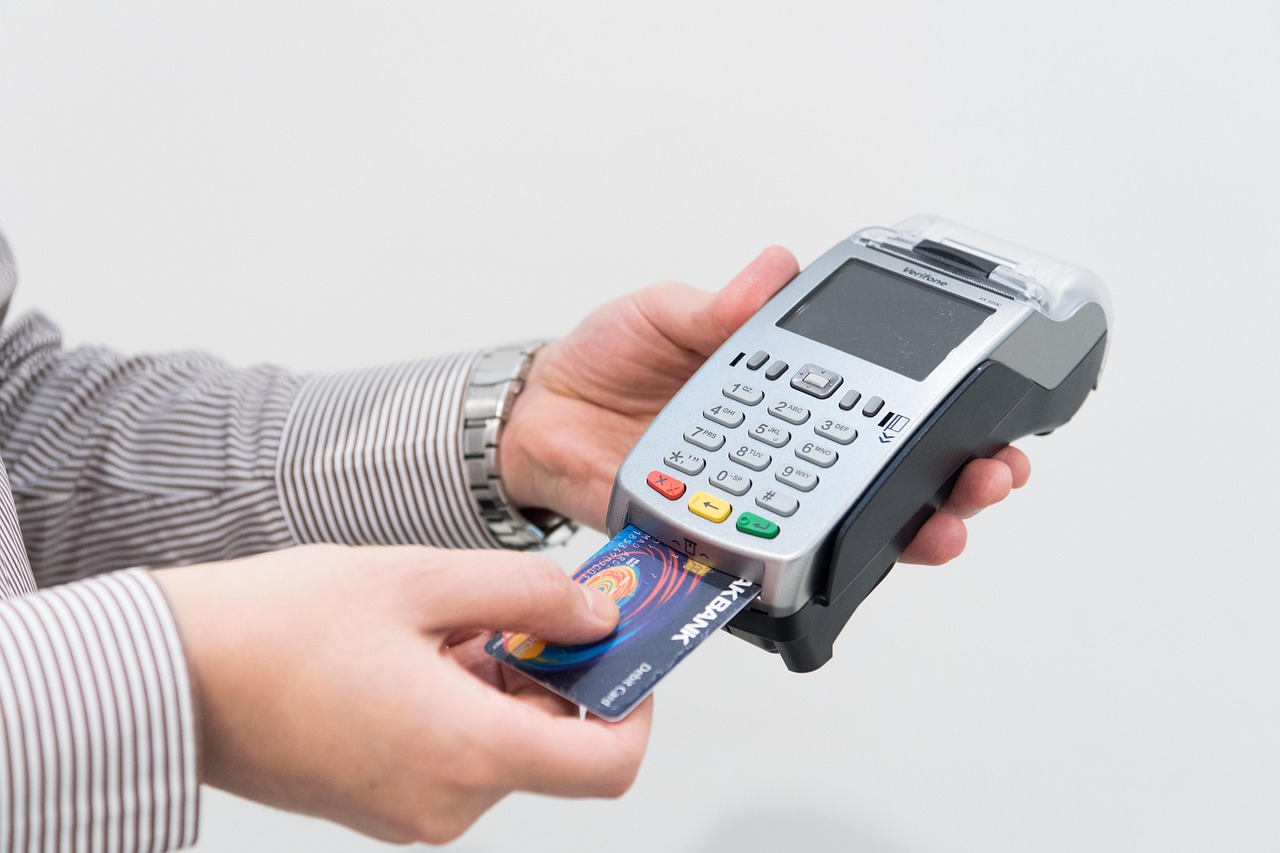
This works through two mechanisms: financial deterrent (people don’t want to lose their deposit) and psychological commitment (paying makes the appointment feel more real and important).
The key is implementation. Deposits should be reasonable—enough to deter casual no-shows without scaring away legitimate customers. Many businesses find that 20-30% of the service cost, or a flat fee of $25-50, strikes the right balance.
MGMA’s January 2025 data confirms the trend toward financial accountability: 35% of medical practices now charge no-show fees, up from 23% in previous surveys.[23]
Automated waitlist management fills cancelled slots
Even with all these strategies, some cancellations are inevitable. The question is whether those slots sit empty or get filled.
Healthcare automation research shows that waitlist management systems can fill cancelled slots in under 20 minutes—compared to the hours or days it takes with manual phone outreach.[25]
UCSF’s “Fast Pass” automated waitlist system demonstrated how powerful this can be at scale: in its first year, it sent 38,000+ notifications and filled 10,000+ previously empty slots.[26] Mayo Clinic saw similar results, with automated waitlist management reducing vacant appointment slots by 15-25%.[27]
NexHealth’s research on dental and medical practices found that practices using automated waitlists fill cancelled appointments 3-4 times faster than those using manual processes.[28]
The concept is simple: when someone cancels, the system automatically texts the next person on the waitlist. “An appointment just opened up on Thursday at 2 PM. Reply YES to book it.” First responder gets the slot. No staff time required.
Real-world results
Theory is nice. What happens in practice?
A multi-provider outpatient clinic with three providers was experiencing an 18% no-show rate using email-only reminders. They switched to multi-channel reminders (text plus email), added prepayment requirements for new patients, and prioritized morning appointments (which research shows have lower no-show rates). Result: 7% no-show rate. Additional annual revenue: $125,000.[29]
Adelante Healthcare, a larger organization, reduced no-show rates by an average of 35% across all practices—bringing rates down from 18-20% to 13% for specialist treatment—using a combination of the strategies outlined above.[2]
A DaySmart Software study of salons found that 56% reported decreased missed appointments after implementing management software, and 62% reduced manual administrative effort.[30]
What realistic improvement looks like
Let’s set reasonable expectations. You’re not going to eliminate no-shows entirely. Some percentage of people will always have emergencies, forget despite reminders, or simply not show up.
But a well-implemented scheduling system combining multiple reminder touchpoints, two-way confirmation, online self-booking, and clear policies should realistically achieve 30-45% reduction in no-shows for most businesses. Some will do better; a few will see less dramatic improvement depending on their specific situation and customer base.
For a business currently experiencing a 15% no-show rate, cutting that to 8-10% represents substantial recovered revenue. At 300 monthly appointments averaging $120 each, that’s roughly $18,000-25,000 in annual revenue that was previously walking out the door.
The time savings matter too. Every no-show that gets converted to a confirmed cancellation with enough lead time to fill the slot represents saved administrative scrambling. Every appointment confirmed via text is a phone call your team didn’t have to make. Staff productivity improvements of 15-30% are common after implementing scheduling automation.
The bottom line
No-shows aren’t a mysterious force you can’t control. They’re largely a communication problem—and communication problems are solvable with the right systems.
The research clearly supports:
- Text reminders (98% open rate, 38-50% no-show reduction)
- Multiple touchpoints (48-72 hours, 24 hours, and same-day)
- Two-way confirmation (30-50% additional reduction over passive reminders)
- Online self-scheduling (up to 68% lower no-shows than phone booking)
- Deposits or card-on-file (up to 50% reduction)
- Automated waitlist management (fill cancelled slots in minutes, not hours)
None of this is complicated to implement. Modern scheduling software handles most of it automatically once configured. The businesses that figure this out don’t just reduce no-shows—they create better customer experiences (people appreciate reminders), free up staff time, and stop leaving money on the table.
Every empty appointment slot is revenue that disappeared. Most of it doesn’t have to.
Sources
- Sinch MessageMedia, "How Much No-Show Appointments Cost You," 2024. ↩
- Dialog Health, "50+ Latest Patient No-Show Statistics You Need to Know," 2024. ↩
- Vocaly AI, "Salon Scheduling Software: Reduce No-Shows to 5% or Less," 2024. ↩
- GitNux, "Auto Repair Industry Statistics," 2024. ↩
- Curogram, "How to Calculate & Reduce Your No Show Rate," 2024. ↩
- MyToolbox Pro, "The Cost of Missed Appointments, and How to Prevent Them," 2025. ↩
- Curogram, "How Much Each Year Do No Shows Cost the U.S. Healthcare System?" ↩
- Arini AI, "Dental Practice No-Show Rate: Industry Benchmarks," 2024. ↩
- Your Lead Matrix, "7 Ways to Reduce Appointment No-Shows for Small Businesses," 2024. ↩
- "Use of telephone and SMS reminders to improve attendance at hospital appointments: a systematic review." PubMed Central. ↩
- "The effect of patient reminders in reducing missed appointment in medical settings: a systematic review." Pan-African Medical Journal, 2023. ↩
- Textline, "51 Latest Business Texting Statistics," 2024. ↩
- Teo, A.R. & Dobscha, S.K. (2017). "No-Show Rates When Phone Appointment Reminders Are Not Directly Delivered." Psychiatric Services, 68(11). ↩
- "Optimizing number and timing of appointment reminders: a randomized trial." Kaiser Permanente Colorado, 2018. PubMed. ↩
- "Pragmatic Randomized Study of Targeted Text Message Reminders to Reduce Missed Clinic Visits." Kaiser Permanente Washington, 2022. PubMed Central. ↩
- Prospyr Med, "How Automated Reminders Reduce No-Shows," 2024. ↩
- SmartSMSSolutions, "Appointment Confirmation Texts: Complete Reply Flow Guide," 2025. ↩
- "Efficient patient care in the digital age: impact of online appointment scheduling on the no-show rate." Frontiers in Digital Health, 2025. ↩
- Grand View Research, "Medical Scheduling Software Market Size Report," 2024. ↩
- GetApp consumer survey, 2023; cited in Zippia, "Appointment Scheduling Statistics." ↩
- Zippia, "23 Appointment Scheduling Statistics: Online Booking Trends," 2023. ↩
- Zippia, "23 Appointment Scheduling Statistics: Online Booking Trends," 2023. ↩
- MGMA, "No-show fees in medical practices on the rise to balance bumpy attendance rates," January 2025. ↩
- Schedulicity, "Deposits for Hair Appointments: A Guide for Stylists and Salons," 2024. ↩
- Hellomatik, "Healthcare Waitlist Automation," 2024. ↩
- Ganeshan, S. et al. (2024). "An Electronic Health Record–Based Automated Self-Rescheduling Tool to Improve Patient Access." Journal of Medical Internet Research. ↩
- North, F. et al. (2025). "Enhancing the Performance of Patient Appointment Scheduling: Outcomes of an Automated Waitlist Process." Health Services Insights. ↩
- NexHealth, "Waitlist management helps you fill cancelled appointments," 2024. ↩
- Proactive Chart, "Reducing Patient No-Shows: Strategies and Software Solutions," 2025. ↩
- "Study Shows 56% of Salons & Spas Use Business Management Software." American Spa, DaySmart Software study, 2019. ↩
Stop Losing Revenue to No-Shows
What if everyone showed up to their appointment?
See how Tiny Tortilla's AI Receptionist sends automated reminders, confirms appointments via text, and fills cancelled slots from your waitlist—all without lifting a finger.
Talk to Us About Reducing No-Shows →
